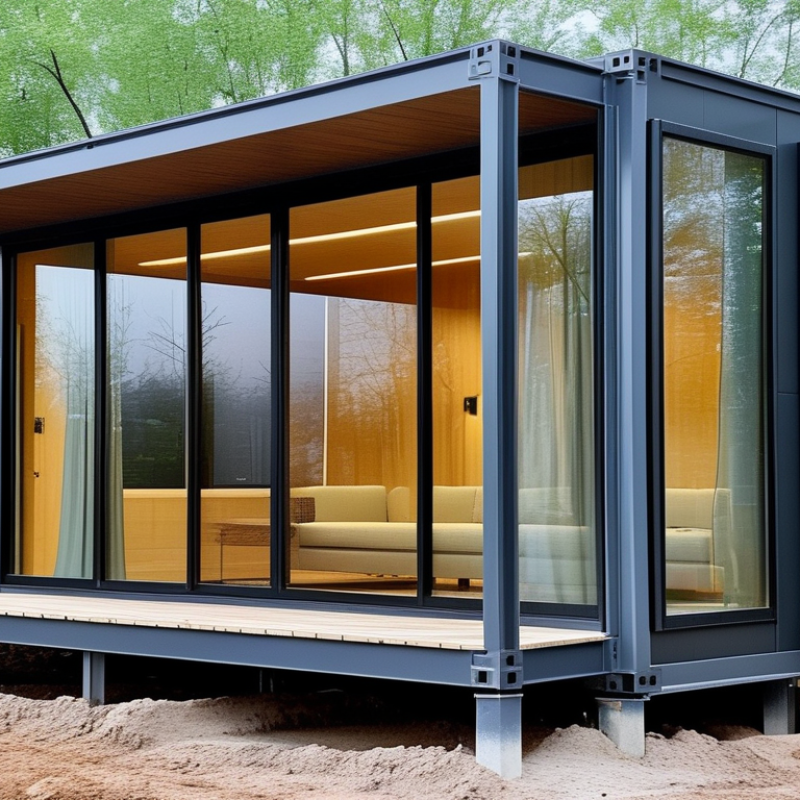
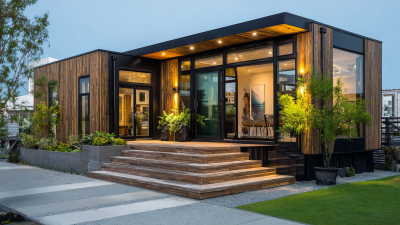
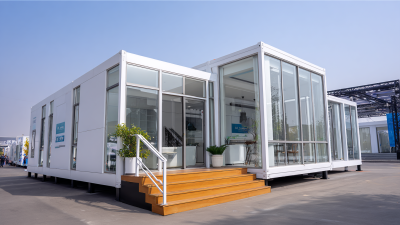
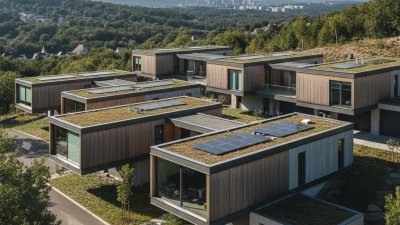
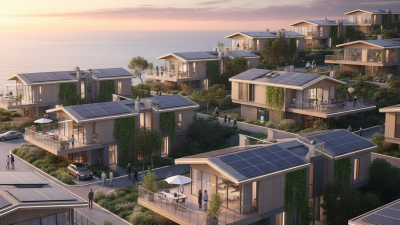
In recent years, the concept of House Modular has gained traction among potential homeowners. This approach offers a fresh alternative to traditional construction methods. Companies like Blokable and Katerra have emerged as leaders in this field, championing the benefits of Modular Building.
House Modular means efficiency and speed. These homes are built in sections, or modules, in a factory setting. This process often leads to reduced construction time and costs. However, it’s crucial to consider the Modular House Cost, which may vary significantly based on design and location.
While House Modular offers many advantages, some challenges exist. Potential buyers might face concerns regarding customization and resale value. These factors warrant careful consideration. Thorough research and evaluation are vital before making a decision. Embracing House Modular could lead to innovation in your living space, but reflection on its challenges is equally important.
What is Modular Housing?
Modular housing is a construction approach where homes are prefabricated in sections. These sections are built in a factory, transported, and assembled on-site. This method offers a range of benefits, including reduced construction time and lower labor costs. According to a report from the Modular Building Institute, modular construction can be 30-50% faster than traditional methods.
One significant advantage of modular housing is its sustainabilityaspect. Many Modular Homes are designed with energy-efficient materials. A study published by McGraw-Hill Construction found that68% of builders believe sustainable construction will become standard in the next few years. This shift reflects a growing awareness of environmental issues and the need for more efficient housing solutions.
However, it's crucial to address some challenges. Zoning laws can complicate modular housing projects. Additionally, public perception often holds misconceptions about quality. Some believe modular homes are less durable, which isn't necessarily true. Understanding these issues is important for a w ell-informed decision. Despite some hurdles, modular housing continues to gain traction as a viable option for modern living.
History and Evolution of Modular Homes
Modular homes have a rich history that reflects innovation in housing solutions. The concept of prefabricated housing dates back to the early 20th century. In the post-World War II era, demand for affordable housing surged. This led to the rise of "House Modular" designs, as they offered quick and efficient construction methods.
The modular building process involves manufacturing sections of a home in controlled environments. According to the Modular Building Institute, this approach can reduce construction time by 30% to 50%. Despite their efficiency, early modular homes faced stigma associated with quality and aesthetic appeal. Many questioned their durability and value. Surveys conducted in recent years show that perceptions are shifting. Around 70% of consumers today recognize the benefits of modular construction, including eco-friendliness and energy efficiency.
Yet, challenges remain. The industry must address issues of zoning and financing that can hinder growth. Not all local governments embrace modular homes. Some buyers still hesitate, fearing resale value. Research indicates that as education around these homes increases, acceptance grows. Modular homes, especially in urban areas, are gaining ground. Their evolution from stigmatized structures to desirable alternatives reflects changing attitudes toward housing.
What is House Modular and Why Should You Consider It? - History and Evolution of Modular Homes
| Dimension | Description | Impact |
| Cost | Generally lower than traditional construction due to efficient manufacturing processes. | Affordable housing options for more families. |
| Construction Time | Typically takes weeks rather than months, as modules are built in factories. | Reduces waiting time for families to move into their new homes. |
| Energy Efficiency | Modern modular homes often use eco-friendly materials and technology. | Lower energy bills and a smaller carbon footprint. |
| Customization | Many companies offer customizable floor plans and designs. | Allows homeowners to create a space that reflects their individual style. |
| Quality Control | Built in a controlled environment, reducing exposure to weather-related damage. | Higher quality standards compared to on-site construction. |
Key Advantages of Choosing Modular Housing
Modular housing presents an innovative option for homebuyers. It offers unmatched efficiency in construction, significantly reducing the time needed to complete a home. A Small Modular House can often be built in a fraction of the time compared to traditional homes. This rapid construction avoids many delays commonly associated with conventional building methods.
One key advantage of modular housing is its affordability. Pre-fabricated components are manufactured in a controlled environment, minimizing waste and labor costs. Homeowners often find that they save significantly on both construction and long-term maintenance. However, some may question the long-term value of smaller homes. It's essential to consider your future needs before committing.
Another appealing aspect is customization. Modular homes come with various design options that cater to personal tastes. Yet, the variety can be overwhelming. Potential buyers might feel pressured to make quick decisions. Careful planning is crucial to ensure the final design aligns with lifestyle requirements. Consider all angles before moving forward with a Small Modular House.
Common Misconceptions About Modular Homes
Common misconceptions about modular homes can deter potential homeowners. Many believe modular homes lack durability and aesthetics. However, studies show that they are often built to higher standards than traditional homes. According to the National Association of Home Builders, modular homes can reduce construction time by up to 50%. This efficiency leads to cost savings and less environmental impact.
Another myth is that modular homes have limited design options. In reality, they can be customized to fit various tastes and requirements. Reports from the Modular Building Institute highlight that today's modular homes offer flexibility in design, featuring modern layouts and high-quality finishes. This has expanded possibilities beyond traditional structures, making them more appealing.
Tips: If considering a modular home, research reputable manufacturers. Look for homes with strong warranty programs and customer reviews. Inspect the factory conditions and construction processes. Understanding the quality control measures can ensure a reliable investment. Additionally, engage with modular building experts to clarify any doubts and explore design options.
The Construction Process of Modular Houses
The construction process of modular houses is fascinating yet complex. Modular homes are built in sections, which are then transported to the final site. This method can significantly reduce the construction time compared to traditional building techniques. Each module is constructed in a controlled environment, ensuring high quality and minimizing weather-related delays. It is vital to have a skilled team for this process, as precision is key.
However, not all aspects of modular construction are perfect. Challenges like site preparation and foundation work may arise. These steps require careful planning and can introduce delays. Additionally, local regulations can affect the installation process. Homeowners need to address these potential obstacles early in the planning stages. Understanding these factors can help avoid frustrations down the line.
While modular construction offers many benefits, it’s essential to approach it with realistic expectations. The speed and efficiency can be appealing, but navigating local codes is crucial. Some may worry that modular homes lack customization options, which isn't always true. Many builders now offer a range of design choices to suit individual tastes. Being aware of these possibilities can enhance the overall living experience.
Financing Options for Modular Homes
Financing a Modular House can seem daunting. Yet, understanding the options available can ease that burden. According to recent industry reports, around 70% of homebuyers financing modular homes prefer loans specifically designed for this type of construction. These loans usually offer competitive interest rates, making them an attractive choice.
Typically, buyers can choose between traditional mortgages and specialized modular home loans. A traditional mortgage may suffice, but modular home loans often cater specifically to the unique aspects of these structures. For instance, modular construction timelines are generally shorter, meaning quick occupancy and reduced carrying costs. However, potential buyers should be aware that some lenders may view modular homes with skepticism.
Additionally, down payment requirements for a Modular House can vary sharply. While many traditional loans require 20% down, some modular-specific programs may accept as little as 5%. This can open doors for first-time buyers. However, relying on lower down payments may necessitate mortgage insurance, adding to long-term costs. Being informed about these nuances can lead to smarter financial decisions in the modular housing sector.
Future Trends in Modular Housing Industry
The modular housing industry is experiencing significant changes. With growing urban populations, the demand for affordable housing is increasing. Future trends indicate a shift towards sustainable materials and innovative designs. Energy efficiency will be at the forefront, influencing how modular homes are constructed.
As builders adopt green technologies, eco-friendly materials will become standard. Solar panels and rainwater harvesting systems are expected to be featured prominently in Modern Modular House designs. Homeowners may find these features appealing for both their functionality and their impact on reducing the carbon footprint.
Tips for homeowners include prioritizing energy efficiency in your modular home choice. Look for designs that maximize natural light and ventilation. Consider how modular construction can reduce waste and costs. Investing in smart home technology can also enhance energy savings. By staying informed about these trends, you can make a knowledgeable decision that benefits both your wallet and the environment.
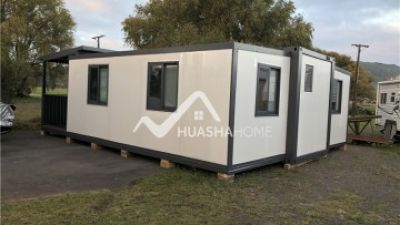
Exploring the Future of Housing: Insights from Market Reports on 40ft Custom-Made Movable Expandable Container Homes
The future of housing is increasingly pointing towards adaptable and sustainable solutions, particularly in the realm of movable expandable container homes. These innovative living spaces offer a remarkable range, with areas varying from 25 square meters to 128 square meters. This flexibility allows homeowners to tailor their living environments according to their specific needs, whether they require a compact dwelling or a more spacious home. The modular design of these homes not only meets diverse space requirements but also promotes efficient use of available land.
One of the standout features of these expandable container homes is the customizable interior floor plans. Homeowners can adjust layouts based on personal preferences and practical necessities, allowing for a highly personalized living experience. This level of adaptability is particularly beneficial for those with changing lifestyles, whether they be young families needing room to grow or individuals seeking a minimalist setup. As market reports suggest, the integration of innovative design with functional living spaces positions movable container homes at the forefront of modern housing solutions, catering to an evolving demographic focused on flexibility and sustainability.
FAQS
: Modular houses are built in sections and transported to the final site, which speeds up construction.
Yes, site preparation and foundation work can cause delays if not carefully planned.
Local codes can affect the installation process, so homeowners should address these early in planning.
Modular homes can offer various design choices, contrary to the belief that they lack customization.
Trends include the use of sustainable materials and energy-efficient designs in response to urban needs.
Look for designs that maximize natural light and ventilation, and consider smart home technologies.
Features like solar panels and rainwater harvesting systems are becoming common in modern designs.
Absolutely, precision is key in modular construction, making a skilled team essential.
The speed and efficiency of modular construction can reduce overall waste and costs.
While modular homes offer benefits, navigating local regulations and potential customization limitations is necessary.
Conclusion
House Modular refers to a form of housing where homes are constructed off-site in sections or modules, then transported and assembled on the final foundation. This approach to home building has evolved significantly over the years, offering a modern and efficient alternative to traditional construction. Modular homes provide several key advantages, including reduced construction time, cost-effectiveness, and environmental sustainability.
Despite common misconceptions about their quality and design flexibility, modular homes can be customized to meet various aesthetic and functional needs. The construction process is streamlined, allowing for faster completion, while financing options for House Modular are becoming increasingly accessible. As the industry continues to grow, future trends indicate a rise in innovative designs and sustainable practices, positioning modular housing as a viable solution for prospective homeowners.