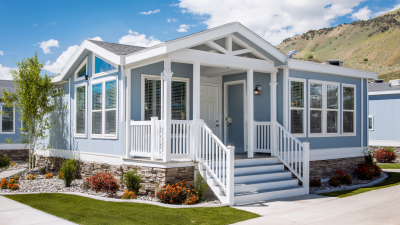
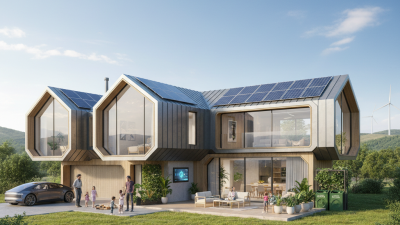
You know, the whole rise of Modular Homes is really shaking up the global housing scene. More and more folks—whether investors or just regular buyers—are starting to see the perks of building with modular techniques. Clayton Homes, in particular, is kind of leading the charge with some pretty innovative designs and a real focus on sustainability. Honestly, modular homes aren’t just cheaper—they’re faster to build, more efficient, and just generally more practical.
Looking ahead to 2026, stuff’s changing pretty quick. Eco-friendly materials and smart tech are basically becoming the new normal. People all over the world are craving homes that can be customized to their tastes and needs. Personalization is totally influencing design choices now, which is pretty exciting but also means you gotta stay on top of these trends if you wanna keep up.
It’s a bit of a balancing act for buyers—between embracing new innovations and keeping things practical. Take Clayton Homes Modular Homes, for example—they really nail this balance by combining sleek, modern looks with practical, livable spaces. As the demand for modular homes keeps climbing, understanding these trends isn’t just smart—it's pretty much essential if you want to make informed decisions about your future home.
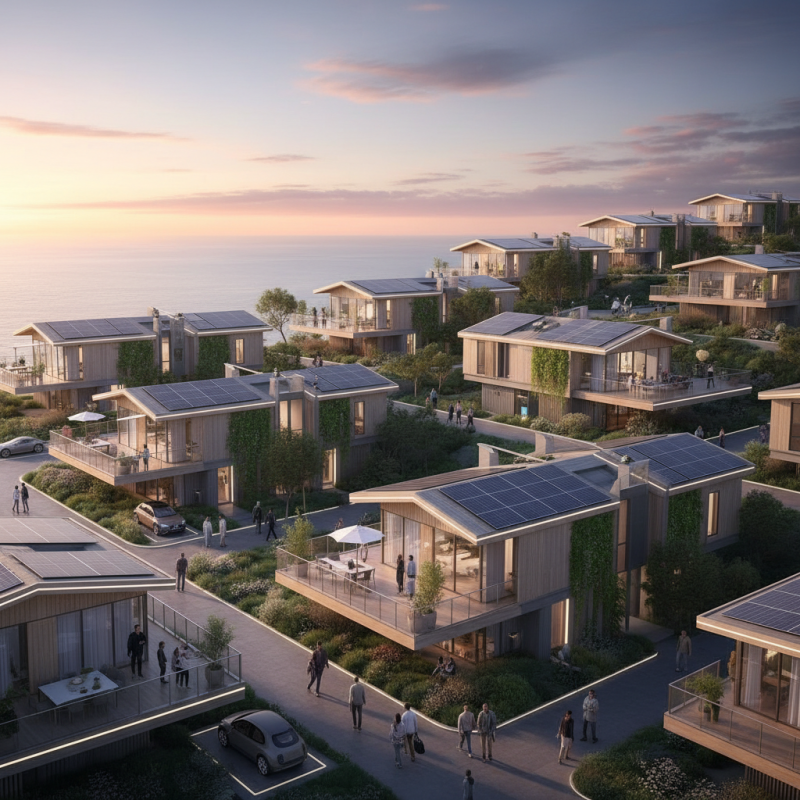
2026 Overview of Modular Home Trends for Global Buyers
Modular homes are gaining traction among global buyers, especially as they look for innovative housing solutions. A report by the Modular Building Institute indicates that the modular construction market is expected to reach $157 billion by 2026. This growth is driven by increased demand for sustainable housing options. Many buyers prefer modular homes due to their energy efficiency and reduced waste during construction.
A notable trend is the rise of customization in modular housing. According to research from McKinsey, over 60% of homebuyers express interest in personalizing their living spaces. This allows for unique designs that cater to individual families. However, some buyers may struggle with the vast number of options available. Personalization can seem overwhelming, leading to decision fatigue.
Technology integration is also a significant focus. Homeowners are increasingly seeking smart home features in modular designs. Features like automated lighting and temperature control enhance comfort and efficiency. Yet, not every modular home incorporates new technologies seamlessly. Some homes still lag in connectivity, reflecting the industry's need for continuous improvement. OEM Clayton Homes Modular Homes exemplifies the push for integrating tech with sustainable practices, though there are areas for better adaptability. The journey to the perfect modular solution involves continuous exploration and adjustment to individual needs.
Innovative Design Features in Modular Homes for 2026
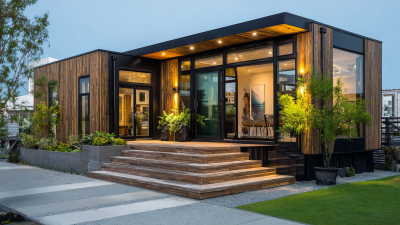
Modular homes are evolving quickly, with innovative designs emerging for 2026. Many buyers are looking for features that blend functionality with aesthetics. Open floor plans have become a staple in these homes, catering to modern lifestyles. Large windows allow natural light to flood the space, enhancing a sense of openness. Sustainable materials are also taking center stage, reflecting a growing desire for eco-friendly living.
As global buyers seek unique features, smart home technology is gaining traction. Automated systems for lighting and temperature can create a comfortable environment. Energy-efficient appliances are becoming standard, reducing utility bills and environmental impact. However, discerning buyers should consider the long-term viability of these technologies. Sometimes, the latest gadget turns out to be impractical or overly complicated.
Tips for selecting modular homes include evaluating the layout carefully. Ensure it meets your needs and lifestyle. Consider potential resale value when choosing design features. Adding personal touches can make a home more inviting. With options like ODM Clayton Homes Modular Homes, there's much to explore. Balance modern design with long-lasting comfort for the best outcome.
2026 Best Modular Homes Trends for Global Buyers
Sustainable Materials and Practices in Modular Home Construction
Sustainable materials and practices are reshaping the modular home industry. Reports indicate that the demand for eco-friendly construction has surged by 30% over the last few years. Many buyers prioritize homes built from renewable resources. These include bamboo flooring and recycled steel framing. Such materials not only reduce environmental impact but also enhance energy efficiency. For instance, homes featuring high-performance insulation can cut heating and cooling costs by up to 50%.
Modular homes, like High-Quality Clayton Homes Modular Homes, often incorporate green technology. These properties frequently use solar panels and energy-efficient appliances. By integrating these features, homeowners can enjoy long-term savings while minimizing their carbon footprint. However, one must carefully consider the initial investment. The upfront costs can be higher than traditional homes.
Additionally, while prefabricated components speed up construction time, the sourcing of sustainable materials can be challenging. Not all suppliers meet high environmental standards. Buyers should seek assurances regarding the sustainability of materials. It's crucial to engage with reputable builders who prioritize green practices. By doing so, buyers can navigate potential pitfalls while contributing to a sustainable future.
The Role of Smart Technology in Modern Modular Homes
Smart technology is transforming Modern Modular Homes, creating a seamless blend ofconvenience and efficiency. These homes often feature integrated systems that control lighting, heating, and security. For instance, smart thermostats can learn usage patterns and optimize energy consumption. Homeowners appreciate how these advancements enhance comfort while reducing utility bills.
The rise of affordable options, such as Cheap Clayton Homes Modular Homes, illustrates accessibility to smart technologies. These homes can come equipped with smart locks and voice-controlled assistants. However, while tech integration offers many benefits, it can lead to potential cybersecurity risks. Homeowners must remain vigilant about protecting their networks and devices from unauthorized access.
Not all modular homes fully embrace smart features yet. Some homes still use traditional systems, leaving buyers feeling left behind. Balancing modern amenities with affordability is crucial. As the industry evolves, a greater focus on enhancing user experience while maintaining reasonable costs will shape future trends in modular construction.
Market Growth and Investment Opportunities in Modular Housing
The modular housing market is witnessing significant growth. Many investors are eyeing this trend. The convenience and speed of construction attract buyers. Modular homes can be built in weeks, not months. This appeals to those seeking quicker housing solutions.
Investors find potential in energy-efficient designs. These homes often feature advanced insulation and sustainable materials. As climate awareness rises, buyers prefer eco-friendly options. However, the market faces challenges. Quality control remains a concern. Some modular homes do not meet traditional building standards.
Market fluctuations can impact pricing. It's crucial for buyers to do thorough research. The demand for affordable housing is increasing globally. Thus, understanding regional trends is vital. Buyers need insights into local regulations and financing options. Engaging with experts can help navigate these complexities effectively.
2026 Best Modular Homes Trends for Global Buyers
| Trend | Description | Market Growth (%) | Investment Opportunities (Billion USD) | Regions of Interest |
| Sustainable Designs | Increasing demand for eco-friendly materials and energy-efficient homes. | 15% | 5 | North America, Europe |
| Smart Home Technology | Integration of IoT devices for improved home automation. | 20% | 8 | Asia, North America |
| Modular Modularization | Increasing use of modular components to reduce labor costs and construction time. | 18% | 6 | Global |
| Affordability Models | Innovative models for financing and reduced pricing for lower-income families. | 10% | 2 | Latin America, Southeast Asia |
| Aesthetic Customization | Greater focus on personalized designs and features to meet buyer preferences. | 12% | 3 | Europe, North America |
Customization Options for Global Buyers of Modular Homes
Customization is a key trend in the modular homes market for 2026. Global buyers are drawn to the flexibility these homes offer. Buyers can select various layouts, finishes, and features to suit their preferences. This personal touch elevates a house into a home. It becomes more than just a structure; it reflects the owner's lifestyle.
Tips for buyers include considering future growth. A modular home can be expanded or modified later. Make sure your choices accommodate potential changes. Think of modular homes as a canvas, ready to be painted with your dreams. Explore energy-efficient systems that align with your values while saving costs.
Another aspect is the integration of smart technology. Homes equipped with smart technology can improve convenience and efficiency. Research systems that fit well with your lifestyle needs. While it’s easy to get excited about all available options, focus on what truly resonates with you. This prevents overwhelm and ensures your home feels uniquely yours. Customization is a journey—embrace its imperfections for a truly authentic experience.
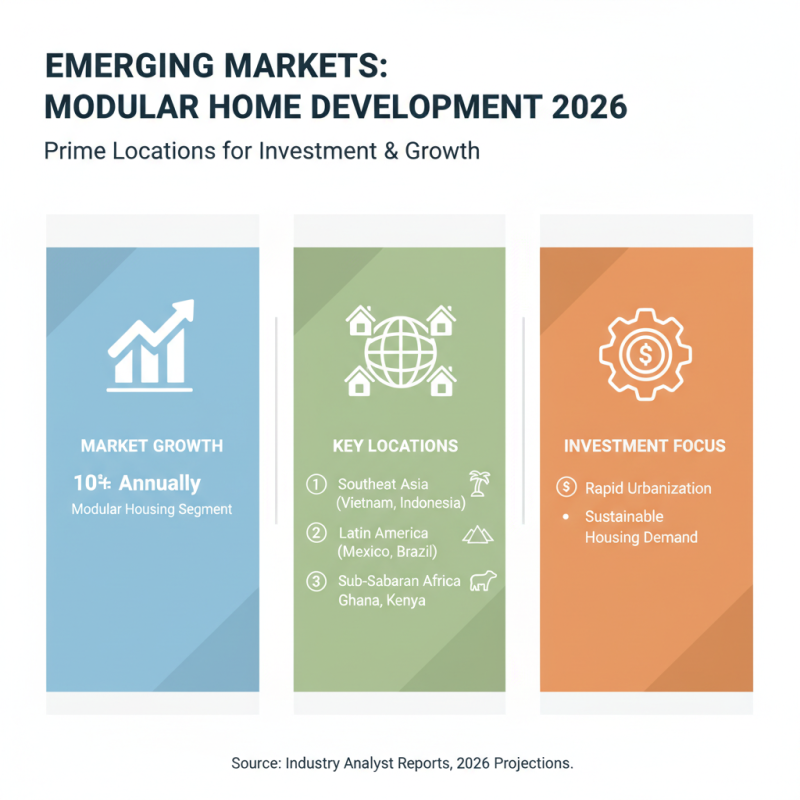
Emerging Market Locations for Modular Home Development in 2026
The modular home market is evolving rapidly, with new locations emerging for development in 2026. In recent reports, analysts project that the modular housing segment will grow by over 10% annually. This growth makes it crucial to identify prime areas for investment and construction.
Regions in North America, particularly the Midwest and Southern states, are seeing increased interest. For instance, areas near urban centers show a rise in demand for affordable housing solutions. The proximity to infrastructure and job markets makes these locations ideal for modular development. Moreover, cities like Nashville and Austin have reported housing shortages, creating opportunities for innovative building methods.
Internationally, countries such as Germany and Japan are embracing modular construction. According to industry experts, Germany's focus on sustainability pushes modular builders to explore eco-friendly designs. In Japan, the need for disaster-resistant homes is driving custom modular solutions. However, challenges remain. Regulatory hurdles and local market conditions can complicate expansion efforts. Thoughtful consideration and strategic planning will be essential for successful implementations in these emerging markets.
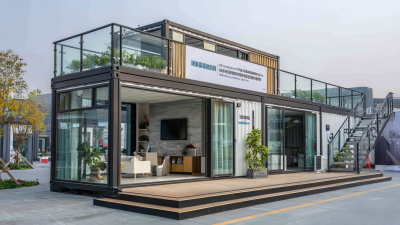
Innovative Living Solutions: Exploring the Benefits of Modular Container Houses
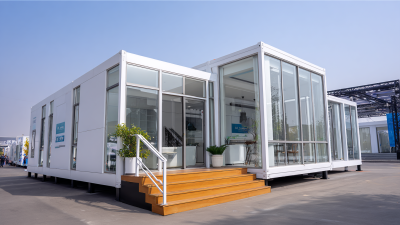
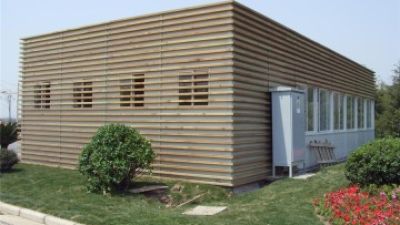
In recent years, modular container houses have emerged as an innovative living solution that offers flexibility and efficiency for various needs. These contemporary structures not only cater to traditional residential models but also expand their utility to commercial spaces, gyms, and warehouses. The beauty of modular design lies in its adaptability; each space can be customized to fit unique requirements, making it an appealing option for anyone looking to create their ideal environment.
One of the standout features of modular container houses is the speed at which they can be constructed. Prefabrication allows for significant time savings, as components can be built off-site and then assembled quickly on location. This process not only reduces labor costs but also minimizes disruptions typically associated with traditional construction. Furthermore, modular units are designed with sustainability in mind, using materials and techniques that contribute to energy efficiency and reduced waste, appealing to eco-conscious individuals.
These versatile structures are a canvas for creativity, empowering individuals and businesses to bring their visions to life without the limits imposed by conventional building methods. Whether you envision a cozy family home, a creative workspace, or a robust facility for fitness enthusiasts, modular container houses can accommodate a range of lifestyles and functions. With the fusion of design innovation and practical application, they represent a forward-thinking approach to modern living solutions.
FAQS
: The speed of construction and convenience are key factors. Homes can be built in weeks, attracting many buyers.
Investors see potential due to energy-efficient designs and sustainable materials. Eco-friendly options are becoming more popular.
Quality control is a concern. Some modular homes do not meet traditional building standards.
Pricing can vary due to market fluctuations. Buyers must conduct thorough research before making decisions.
Local regulations can significantly impact construction and financing options. Knowledge helps navigate these complexities.
The Midwest and Southern states are gaining interest, especially near urban centers with housing shortages.
Germany's focus on sustainability encourages eco-friendly modular construction, shaping the industry's future significantly.
Japan requires disaster-resistant homes. This demand drives custom solutions in modular building strategies.
Regulatory hurdles and local market conditions can complicate investments. Thoughtful planning is crucial for success.
The global demand for affordable housing is rising. This trend creates opportunities for innovative modular building solutions.
Conclusion
The article "2026 Best Modular Homes Trends for Global Buyers" explores the evolving landscape of modular homes, highlighting key trends that are likely to shape the market. In 2026, innovative design features, such as open floor plans and flexible layouts, will cater to diverse buyer preferences. Additionally, sustainable materials and environmentally friendly practices will play a crucial role in construction, reflecting a growing commitment to green living.
Smart technology is set to enhance the functionality of modern modular homes, providing homeowners with advanced automation and energy efficiency. As the market continues to expand, there will be ample investment opportunities, particularly in emerging locations suited for modular developments. Lastly, customization options will empower global buyers to personalize their homes, ensuring that modular living meets their unique needs and lifestyles.