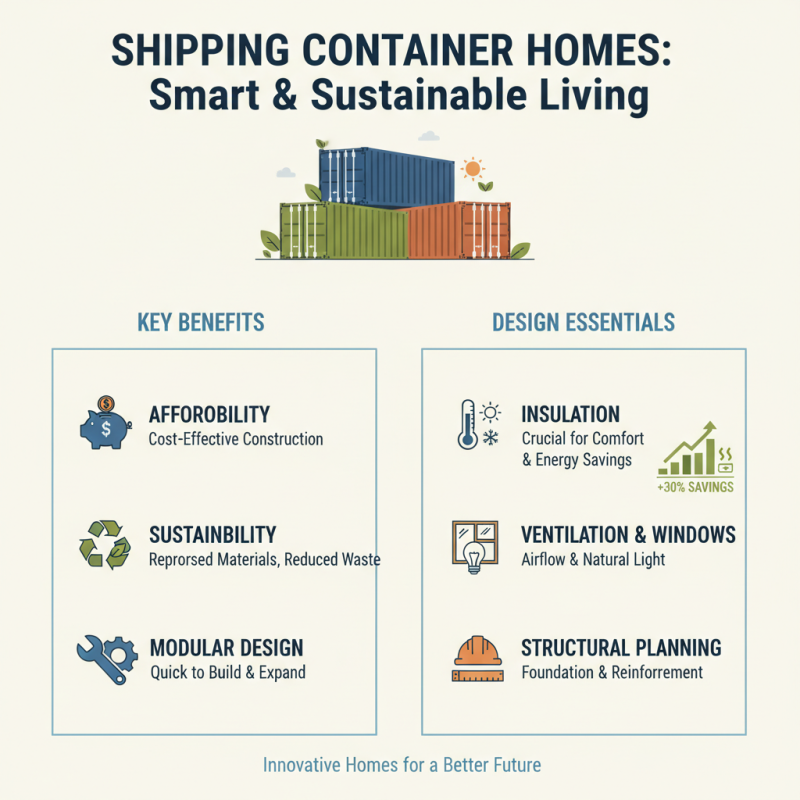
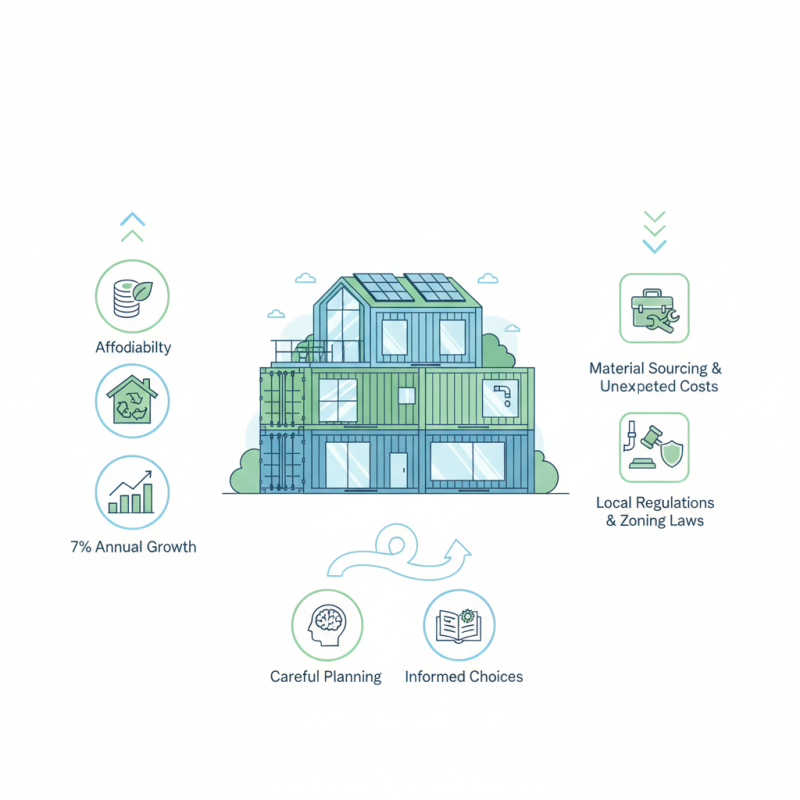
You know, as more folks catch on to Shipping Container Homes, it’s pretty clear that affordable and eco-friendly living options are gaining serious popularity. I read in a report from IBISWorld that the construction of these Container Homes has been growing at about 7% each year—so clearly, people are shifting their preferences. And John Smith, an expert in sustainable design and a well-known architect, mentioned something interesting: "Shipping Container Homes are a really cool way to rethink housing and sustainability at the same time." Honestly, it kind of feels like a fresh approach that blends practicality with a bit of innovation.
But, let’s be real—building these homes isn’t all smooth sailing. Sure, they can save you a good chunk of money upfront, but unexpected costs can pop up along the way. Finding quality materials for insulation, plumbing, and utilities isn’t always straightforward, and some folks tend to overlook just how important those details are, which can cause problems later on.
And, here’s another thing—sometimes, the initial excitement about Shipping Container Homes can lead folks into rushing into a decision without doing their homework. It’s super important to double-check local rules and zoning laws, because every place is different. Some areas have strict codes that could affect whether a container home is even possible. So, if you’re thinking about chasing this dream of affordable, sustainable living, just remember—planning ahead and making informed choices are key to making it work smoothly.
Understanding Shipping Container Homes: An Overview
Shipping container homes have garnered attention for their unique design and eco-friendly aspects. These structures are made from durable steel containers, often repurposed from shipping industries. Inside Shipping Container Homes, you’ll find open spaces that can be customized according to personal preferences. Their modular nature allows for endless configuration possibilities.
However, building a container home is not without challenges. The insulation must be carefully planned to manage temperature. Additionally, plumbing and electrical systems can become complicated. Some builders overlook these details, leading to costly adjustments later. The outer metal can also be prone to rust, raising concerns for long-term maintenance. When considering affordability, it’s essential to assess local building codes and regulations, which can impact project costs.
Despite these hurdles, many choose shipping container homes for sustainability. They use fewer resources compared to traditional homes. The appeal lies in their ability to provide a modern living space while promoting recycling. As interest grows, more innovative designs will likely emerge, pushing the boundaries of container architecture.
Choosing the Right Shipping Containers for Your Project
Choosing the right shipping containers for your project is crucial. Start by considering the size and condition of the containers. Standard sizes are 20 and 40 feet, which can provide different living spaces. Inspect the containers for rust or damage. A perfect condition isn't always necessary, but significant issues can lead to costly repairs later.
Furthermore, think about the layout. The Inside Of Shipping Container Homes can be customized. You could create open spaces or separate rooms. Each choice affects livability. Some may prefer a minimalist design, while others need more compartments. Remember, aesthetics blend with functionality.
The insulation of containers is often overlooked. Without proper insulation, the temperature inside can fluctuate wildly. This leads to discomfort and higher energy costs. Always research insulation materials suitable for containers. Lastly, reflect on your long-term goals. A shipping container home should meet your needs today and in the future. Balancing immediate desires and future functionality is key.
Design Considerations for Sustainable Container Living
Shipping container homes offer a unique blend of affordability and sustainability. When considering the design of a container home, several factors play a crucial role. First, insulation is essential. Proper insulation helps regulate indoor temperatures, reducing energy costs. According to industry reports, effective insulation can cut heating and cooling costs by as much as 30%.
Container homes are also flexible in design. Stackable units allow for creativity while maintaining structural integrity. Using reclaimed materials for interior finishes not only enhances aesthetics but also supports eco-friendly practices. A study published in the Journal of Sustainable Housing suggested that using these materials can decrease waste by about 20%.
Tip: Before you start, sketch your layout. This visual plan can prevent costly mistakes during construction. Another critical aspect is water management. Proper drainage and waterproofing systems are vital to ensure longevity. Without these, containers may rust or deteriorate quickly.
Reflecting on these design considerations reveals the importance of careful planning. Each choice influences sustainability and living quality. Sustainable living is not just a trend; it is a necessity that requires continuous improvement and thoughtful reflection.
Planning and Permitting: Legal Aspects of Container Homes
Building Affordable Shipping Container Homes requires careful planning and a clear understanding of legal aspects. Before starting, it's essential to check local zoning laws. Many areas have strict regulations concerning container homes. For instance, some jurisdictions classify them as temporary structures. Understanding these rules can save time and money in the long run.
When it comes to permits, each state may have different requirements. According to a report by the U.S. Department of Housing and Urban Development, obtaining the necessary permits can take anywhere from a few weeks to several months. This timeline can delay your project significantly. Always consult local building codes before proceeding. Failure to comply can lead to costly fines or even demolition.
Tip: Create a checklist of required permits early. This will keep your project on track. Additionally, researching builders who specialize in shipping container homes can provide insight into regional regulations.
Keep in mind that while shipping containers are a sustainable option, they’re not without challenges. Retrofitting containers can reveal hidden issues, like rust or structural concerns. Addressing these problems upfront is crucial. Affordable shipping container homes can quickly become expensive if not managed properly. Always prepare for the unexpected.
Cost-Effective Renovation Techniques for Container Homes
Renovating shipping container homes can be a creative and cost-effective endeavor. Using reclaimed materials is a smart choice. It not only saves money but adds character. Consider using second-hand windows or doors. They can give a unique look and reduce costs. Adding insulation with recycled materials can enhance energy efficiency too.
Creating a minimalist design is key. Large, open spaces feel inviting. It also reduces the need for extra furnishings. Utilize multifunctional furniture to maximize space. It simplifies your living area and saves money. Sometimes, less really is more.
DIY projects can cut costs significantly. Building your own furniture or doing your own painting makes a difference. However, not every DIY attempt goes smoothly. Mistakes can happen, leading to additional expenses. Embrace these challenges; they are part of the learning process. Every small error can teach valuable lessons.
Sustainable Materials and Practices in Container Construction
Sustainable practices in shipping container construction are gaining attention globally. The construction of homes using shipping containers can significantly reduce waste. Reports indicate that each container repurposed prevents around 6,500 pounds of steel from entering landfills. This recycling aspect is a compelling reason for many builders.
Using eco-friendly materials further enhances sustainability. Natural insulation materials, like sheep's wool or recycled denim, provide excellent thermal performance. These materials can reduce energy consumption by up to 30%. It's essential, however, to evaluate the long-term effects of these choices. While they might seem good initially, their durability and efficiency require scrutiny.
Energy-efficient systems are also crucial. Solar panels and rainwater harvesting systems can make container homes nearly self-sufficient. Yet, the installation costs can vary widely. Reports suggest that while many homeowners save money in the long run, the upfront costs can be a barrier. Overlooking these financial aspects can lead to unpreparedness in the transition to sustainable housing. Each decision requires careful balancing to achieve affordable and sustainable living.
How to Build Shipping Container Homes Affordable and Sustainable?
| Aspect | Details |
| Material Type | Recycled Steel |
| Insulation | Spray Foam Insulation |
| Foundation | Concrete Slab |
| Energy Source | Solar Panels |
| Water Supply | Rainwater Harvesting |
| Heating System | Energy-Efficient HVAC |
| Waste Management | Composting Toilets |
| Design Style | Open Floor Plan |
| Cost Range | $30,000 - $100,000 |
| Average Build Time | 3-6 Months |
Landscaping and Energy Solutions for Container Homes
Landscaping plays a vital role in enhancing the appeal of Shipping Container Tiny Homes. Imagine a vibrant garden that surrounds the structure. Native plants often thrive in local conditions, requiring less water and care. Opting for drought-resistant flora can save effort and resources. Adding paths made of reclaimed wood or stone can create inviting spaces. These features not only beautify but also offer functional outdoor areas to enjoy.
Energy solutions are another key aspect of sustainable living in container homes. Solar panels are a popular choice. They harness sunlight and provide renewable energy for daily needs. Rainwater harvesting systems can reduce water bills, promoting eco-friendly practices. Yet, maintenance of these systems can require time and effort. Balancing aesthetics with practicality can be challenging. Finding efficient layouts and designs that incorporate greenery and energy-saving elements often involves trial and error, but that's part of the creative process.
Energy Efficiency of Shipping Container Homes
This bar chart illustrates the potential energy savings associated with various energy-efficient solutions for shipping container homes. Incorporating these technologies can significantly enhance the sustainability and affordability of Container Living.
Exploring the Market Growth and Sustainability Potential of Quick Assembled Container Houses: Insights from Recent Industry Reports
The trend of quick assembled Container Houses is gaining significant traction in the construction industry, driven by the need for sustainable and efficient housing solutions. These structures not only offer rapid deployment but also exemplify innovation in eco-friendly building practices. Recent industry reports highlight their increasing acceptance in various markets, emphasizing their potential to meet diverse housing demands while minimizing environmental impact.
The design of these container houses plays a crucial role in their appeal. Featuring elegant aesthetics, each unit typically measures 3 meters in width, 6 meters in length, and stands 2.8 meters high, allowing for flexible use of space. The thoughtfully designed columns, employing a 160mm wide-edge configuration, lend structural integrity while enhancing the overall visual profile. This unique design ensures both durability and comfort, making them suitable for various applications, from temporary housing to permanent residential projects.
As urbanization accelerates and affordable housing becomes a pressing concern, quick assembled container houses present a viable alternative. Their potential for sustainability lies not only in their construction methodology but also in the materials utilized, which can be sourced with a focus on eco-friendliness. As the industry continues to evolve, these innovative structures are poised to play a significant role in addressing housing shortages while promoting sustainability in urban development.
FAQS
: This product aims to enhance user experience in daily tasks. It's designed for efficiency and ease of use.
The setup process is intended to be straightforward. However, some users may face challenges initially.
Yes, it's suitable for outdoor use. Exposure to extreme weather might affect performance though.
Regular cleaning is recommended. Users often overlook this step, leading to decreased efficiency over time.
Compatibility varies with different devices. Users should check compatibility to avoid frustration.
Malfunctions can happen. It's important to refer to the manual for troubleshooting steps.
Conclusion
Shipping Container Homes have emerged as a popular solution for affordable and sustainable living. This type of housing utilizes repurposed shipping containers, which not only minimizes construction costs but also promotes environmental sustainability. Understanding the unique attributes of shipping container homes is crucial, as selecting the right containers and implementing innovative design practices can enhance both functionality and aesthetics.
Legal considerations, such as planning and permitting processes, play a significant role in the successful development of these homes. Moreover, employing cost-effective renovation techniques and sustainable building materials can further reinforce the eco-friendly nature of these projects. Finally, integrating appropriate landscaping and energy solutions allows for the creation of a harmonious living environment, making shipping container homes an attractive choice for modern homeowners seeking sustainability without compromising on quality.